Hugo Hansen · 11 September 2026
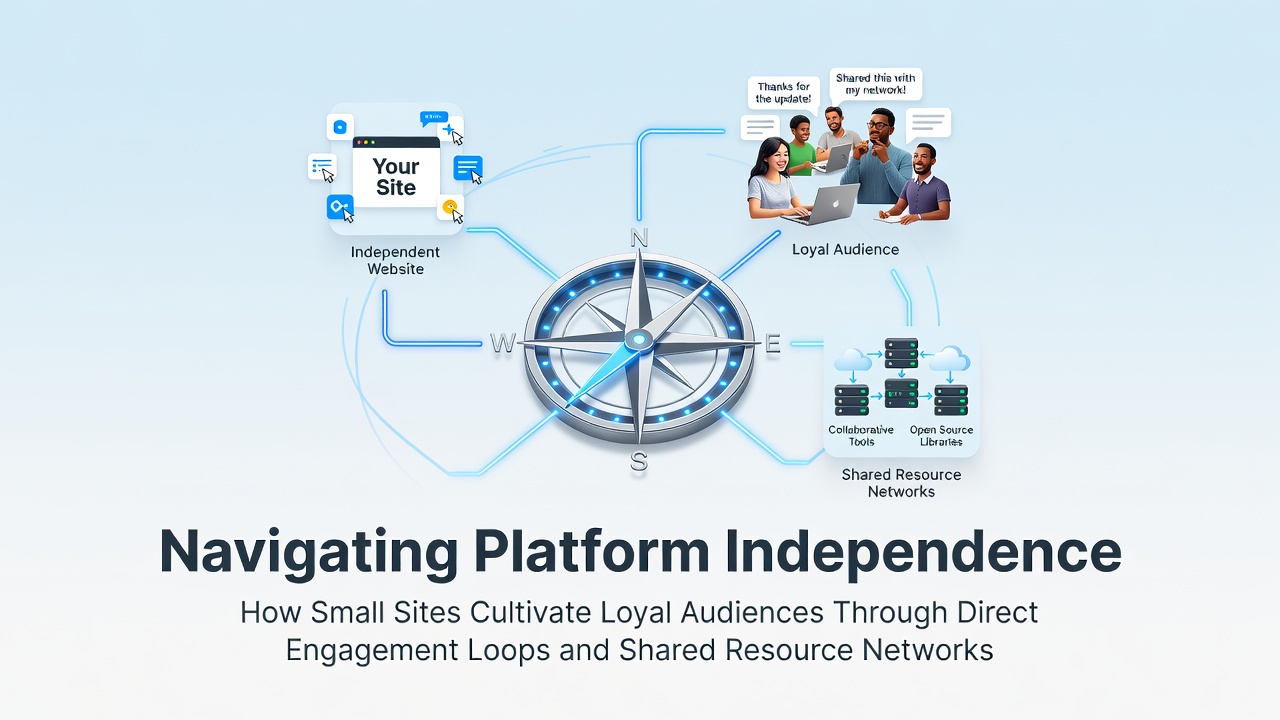
Navigating Platform Independence: How Small Sites Cultivate Loyal Audiences Through Direct Engagement Loops and Shared Resource Networks
Small sites seeking freedom from dominant platforms have turned to direct engagement loops that keep visitors returning through email lists, newsletters, and member forums while shared resource networks supply tools, data, and cross-promotions that strengthen operations without heavy reliance on external algorithms. Researchers note that these approaches gained traction as platform policy shifts continued into 2026, with many operators reporting measurable gains in audience retention when they combined consistent outreach with collaborative resource pools.
Understanding Platform Independence for Smaller Operations
Platform independence refers to the ability of websites to maintain traffic and revenue streams that do not depend primarily on social media feeds or large search engine rankings. Data from industry reports indicate that sites employing direct channels such as owned email systems and community hubs experienced steadier visitor patterns during periods of algorithm change, whereas those tied closely to third-party distribution saw fluctuations. Observers point out that September 2026 brought updated digital market guidelines from the European Commission that encouraged diversified audience strategies, prompting additional small operators to explore these methods.
Engagement loops function through repeated interactions that prompt users to return on their own initiative. One common structure involves an initial content visit followed by an invitation to join a newsletter, then regular updates that lead back to new site material or member discussions. Studies from academic institutions show these cycles can increase return rates when the content remains relevant and the calls to action stay clear, without requiring paid promotion at every step.
Building Direct Engagement Loops That Sustain Growth
Direct engagement begins with simple mechanisms that capture contact details and preferences at the point of first interaction. Sites often integrate forms that offer immediate value, such as downloadable guides or access to exclusive updates, and then follow through with scheduled communications that reference the original visit. Research indicates that when these messages include opportunities for users to contribute questions or feedback, participation rates rise and the loop strengthens over successive cycles.
Shared calendars and event coordination form another layer within these loops. Operators who publish upcoming discussion sessions or collaborative content projects give audiences reasons to check back regularly. Figures from digital economy analyses reveal that sites maintaining such calendars alongside email touchpoints recorded higher sustained activity levels compared with those relying solely on one-way posting.

Leveraging Shared Resource Networks for Operational Strength
Shared resource networks connect independent sites through mutual agreements that exchange knowledge, software tools, or audience cross-references. Participants contribute specialized content or data sets in return for access to complementary materials from others in the group, reducing duplication of effort and expanding reach without additional marketing spend. Government statistics from the Australian Bureau of Statistics highlight growth in collaborative digital practices among small enterprises during recent years, noting particular benefits in sectors where content creation demands consistent output.
These networks also distribute technical infrastructure costs. Groups that pool funds for newsletter platforms or analytics software achieve economies of scale that single sites rarely match. Evidence from university-led surveys of online communities suggests that members of such networks report lower per-site overhead while maintaining comparable or improved audience metrics, because shared systems often include built-in promotion pathways among participants.
Case Examples of Combined Strategies
Take one network of regional news and hobby sites that established a joint resource hub for hosting member-only archives and discussion boards. Each participant directs visitors to the hub for deeper interaction, which in turn funnels traffic back to individual sites through themed spotlights. Observers have documented that this model created measurable loyalty increases, with return visit data rising steadily after the hub launch.
Another instance involves educational resource sites that rotate curated reading lists and host quarterly live sessions. The shared calendar keeps all sites visible to each other's audiences, while direct signup sequences maintain contact outside any single platform. Reports compiled by research institutions confirm that such rotations correlate with extended audience lifespans when updates remain frequent and topic-aligned.
Challenges and Adjustments Observed in Practice
Coordinating across multiple operators requires clear agreements on contribution levels and data handling. Sites that established written protocols for resource sharing encountered fewer disputes and maintained smoother operations. Data collected through industry tracking shows that transparency in these arrangements supports longer-term participation rates.
Technical compatibility between different site systems can present hurdles during initial setup. Operators who adopted open standards for data exchange found integration simpler and experienced quicker rollout of joint features. Recent updates in September 2026 to interoperability recommendations from regulatory bodies in Canada further supported these technical alignments for smaller entities.
Conclusion
Small sites that combine direct engagement loops with participation in shared resource networks demonstrate consistent audience development patterns according to available studies and statistics. These methods create pathways for retention and resource efficiency that operate independently of fluctuating external platforms. As digital environments continue evolving, the documented outcomes from various regions indicate ongoing interest in structured cooperation and owned-channel strategies among independent operators.